Ta une du jour. Change de niveau : elle se réécrit.
L’app, pour de vrai
Fais défiler. C’est l’app.
Une vraie édition, l’écran tel que l’app l’affiche.
02
Un mot t’arrête ?
Touche-le : sa traduction, sa nature, sa prononciation. Il s’envole dans tes mots.
04
Article après article.
Chaque curiosité lue se coche « Lu ». En haut, la barre suit ta lecture, rubrique par rubrique.
06
Lue en entier.
Ta première édition se fête, une fois. Ensuite, aucune série : tes mots restent, c’est tout.
Aujourd’huiBonjour.
A2A
Inventions
Daily Curiositynº 26
6 min18 curiositésA2
Curiosities: Traffic lights, eyebrows, and the moon's secrets
Did you know? Traffic lights existed before cars. And astronauts' blood behaves very strangely in space. Read on!
Commencer la lectureWhy traffic lights were invented before cars0/18
Au sommaire8 rubriques
Inventions
Body
Food
Music
Animals
Art
History
Space
Inventions
2 curiosités
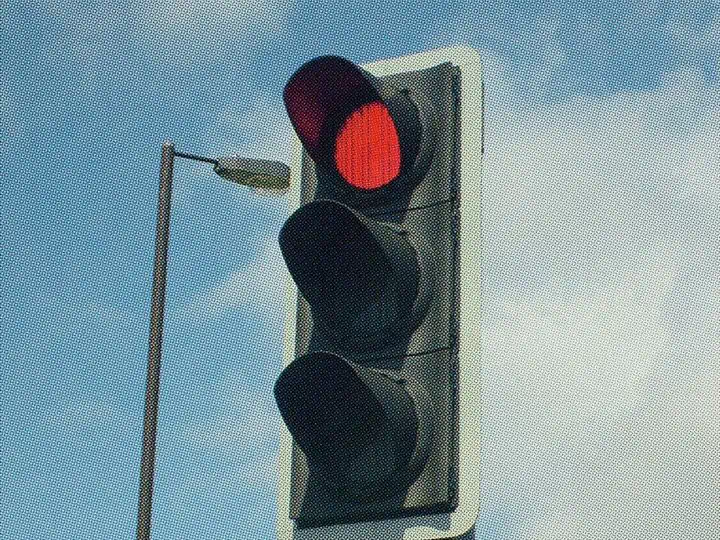
Why traffic lights were invented before cars
Écouter
Traffic light
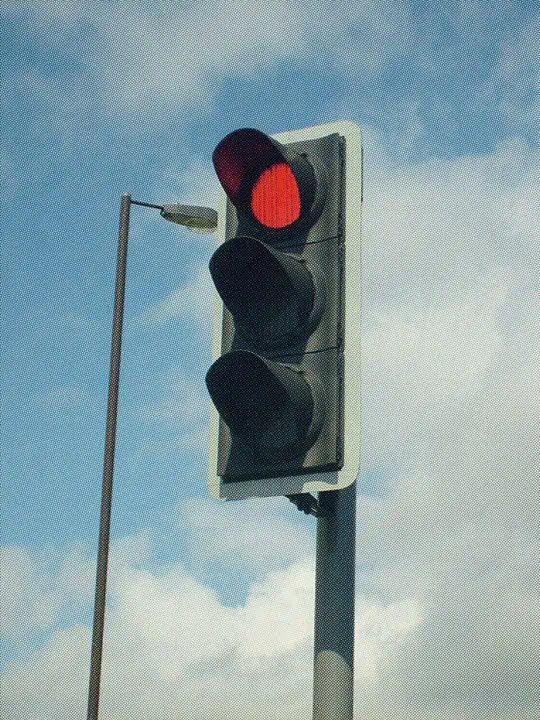
The first traffic light arrived in 1868.London put it up outside Parliament.It burned gas and showed red and green.A police officer turned it by hand.It stopped horses and carts, not cars.The first car came eighteen years later!Sadly, the lantern exploded after a few weeks.
Touche un mot : traduction et prononciation.
TraduireExpliquerApprofondir
Lu
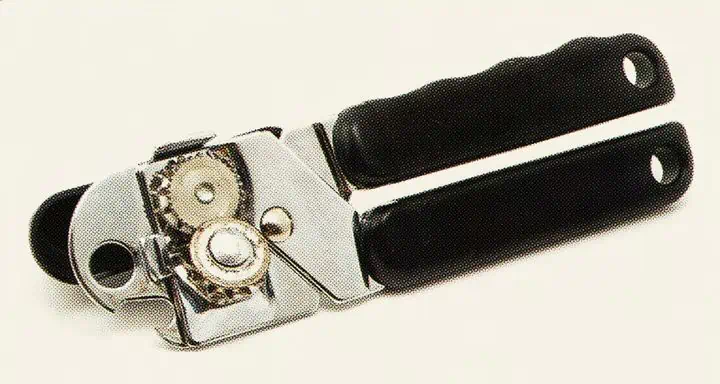
How the can opener came decades after canned food
Écouter
Can opener
Food in cans started in 1810. People hammered and chiseled cans open. The can opener appeared only in 1855. For forty-five years, people struggled with hard metal cans. Finally, someone invented a tool to open them easily. Before that, a knife was your only friend!
TraduireExpliquerApprofondir
Lu
Body
2 curiosités
How your body produces vitamin D from sunlight
Écouter
Vitamin D
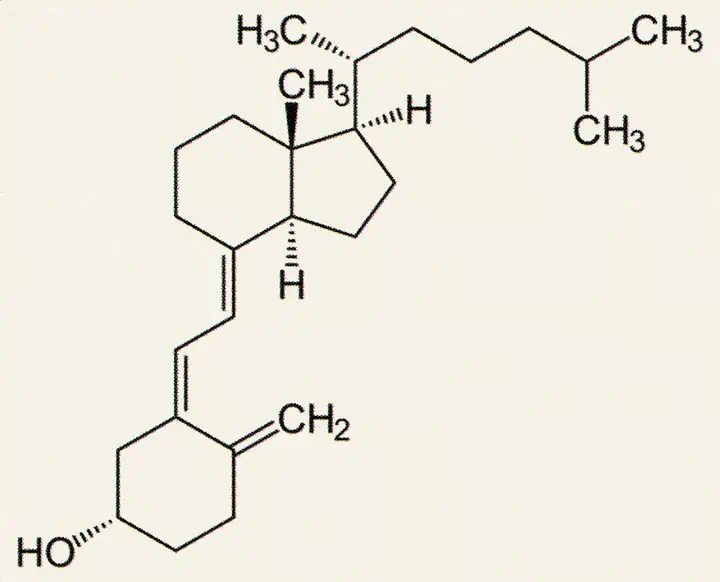
Sunlight touches your skin and something amazing happens. Your body creates vitamin D. This vitamin is very important for your bones and teeth. You need only ten to thirty minutes of sun. Dark skin needs more time than light skin. Your body is like a tiny vitamin factory!
TraduireExpliquerApprofondir
Lu
Why some people are naturally left-handed
Écouter
Left-handedness
About ten per cent of people are left-handed. Scientists do not know exactly why. Genes play a role, but it is not simple. Left-handed people use their left hand naturally and easily. The right side of their brain controls the left side. Left-handedness is normal and special!
TraduireExpliquerApprofondir
Lu
Food
2 curiosités
Why pretzels are twisted into their classic shape
Écouter
Pretzel
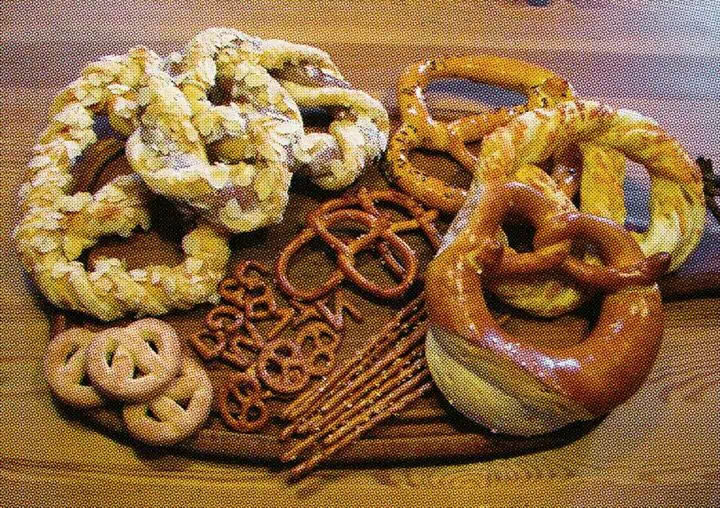
Pretzels come from Austria and Germany. Long ago, monks twisted dough into a special shape. The twist looks like crossed arms. Pretzels were a reward for children who learned prayers. Today we eat them for fun. The twist shape is still famous worldwide!
TraduireExpliquerApprofondir
Lu
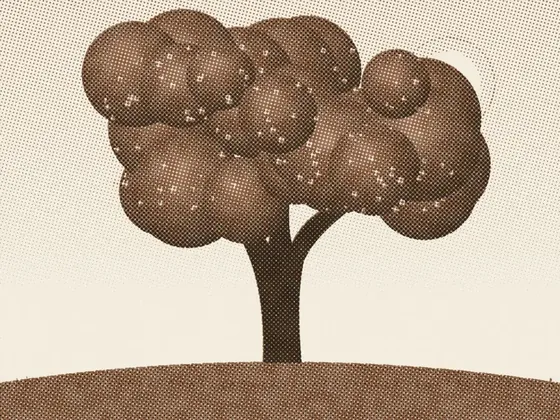
How sourdough bread uses wild yeast
Écouter
Sourdough
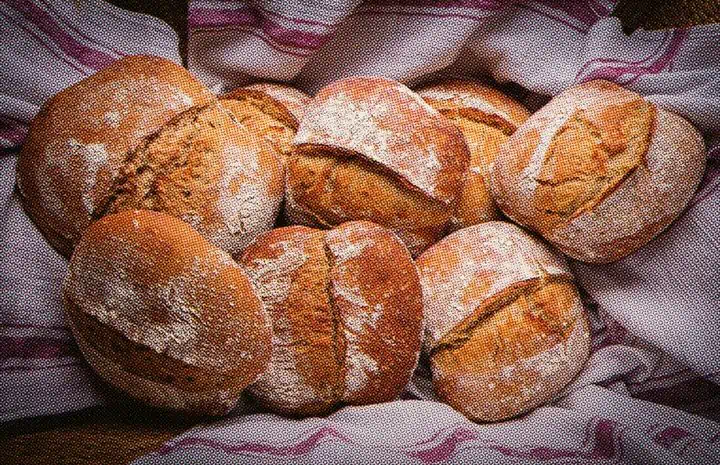
Sourdough is very old bread. It does not use commercial yeast. Wild yeast lives in flour and the air. Bacteria and yeast grow together in the dough. This makes the bread sour and tangy. Sourdough is slow bread. It takes time to rise, but it tastes wonderful!
TraduireExpliquerApprofondir
Lu
Music
2 curiosités
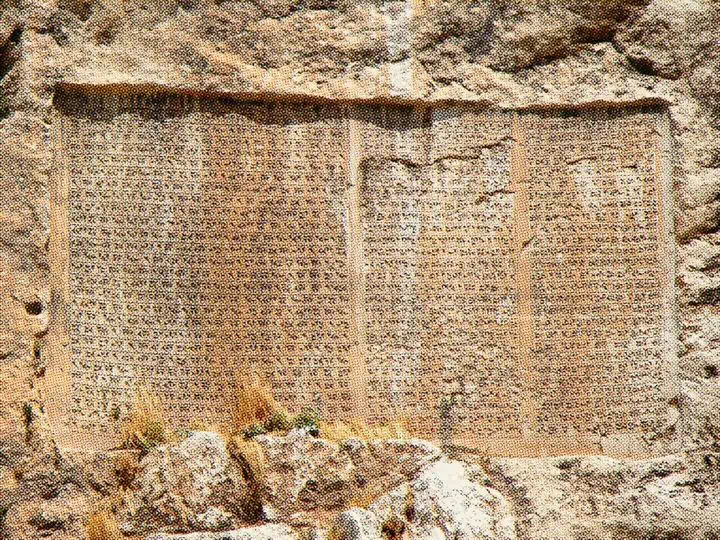
The world's oldest known song is over three thousand years old
Écouter
Hurrian Hymn
The oldest song ever found is from ancient Ugarit. It is over three thousand years old. People carved the song on a clay tablet. The song had lyrics and music notation. We can still play it today on modern instruments. This ancient music still speaks to us!
TraduireExpliquerApprofondir
Lu
How orchestras tune before every performance
Écouter
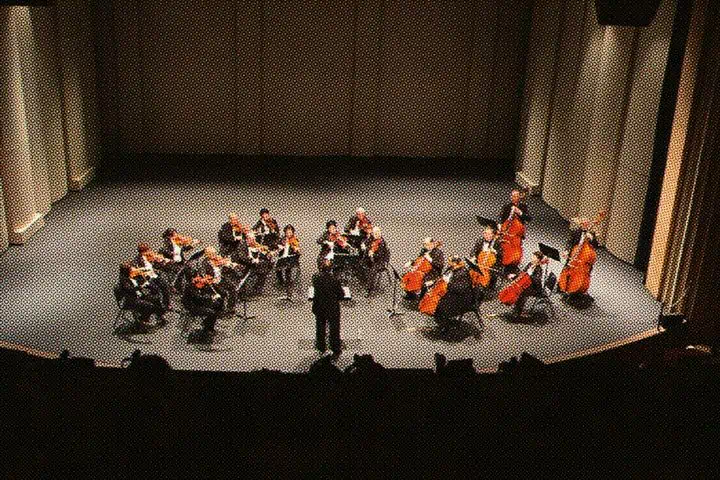
Orchestra
Before a concert, orchestras tune carefully. All instruments must match the same note. The oboe gives the note. Its sound cuts through everything else. The other players listen and adjust. On stage this takes less than a minute! Perfect tuning makes the orchestra sound beautiful.
TraduireExpliquerApprofondir
Lu
Animals
2 curiosités
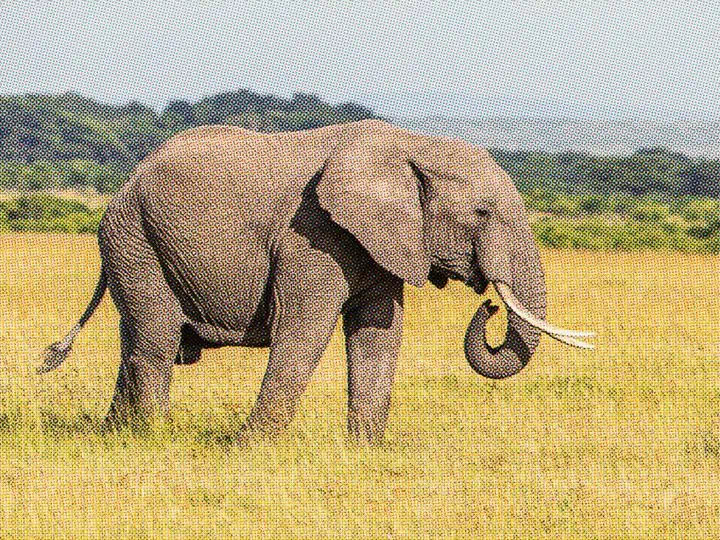
Why elephants cannot jump
Écouter
Elephant
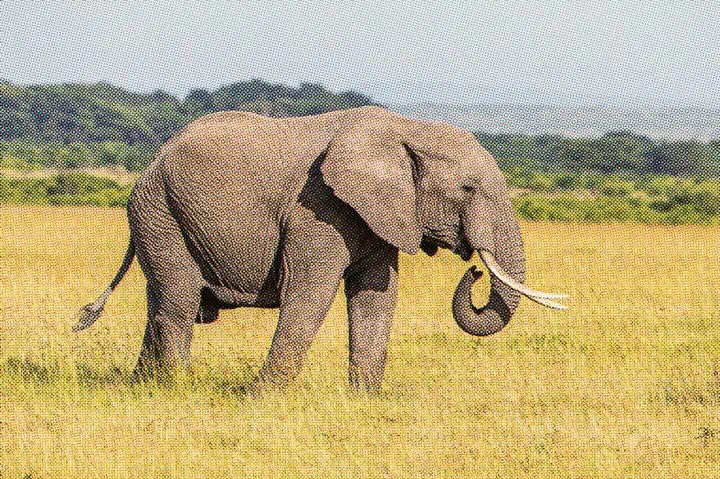
Elephants are very large and very heavy. They cannot jump at all. Their legs are too heavy for jumping. Elephants walk slowly and carefully instead. Few animals share this trait with them. But elephants can run and swim very well!
TraduireExpliquerApprofondir
Lu
Why some birds mimic human speech
Écouter
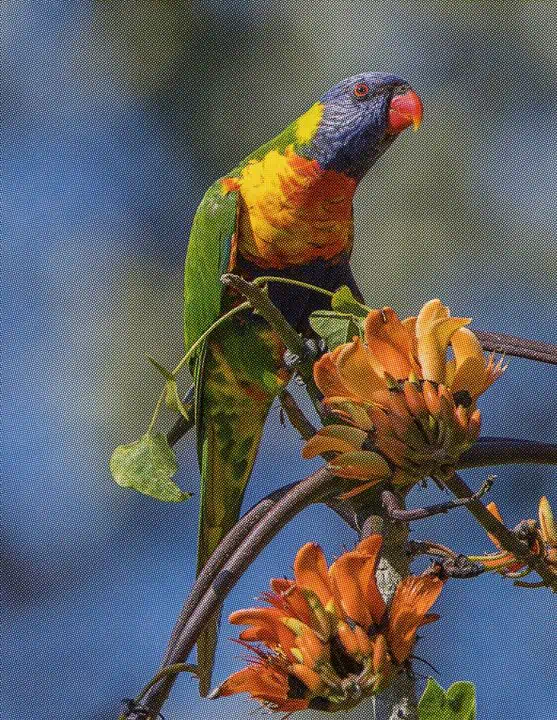
Parrot
Parrots and other birds copy human words. They do not understand the words. Birds copy sounds because they are social animals. In the wild, birds copy each other's calls. A parrot in a house hears human voices and copies them. It is natural behaviour!
TraduireExpliquerApprofondir
Lu
Art
2 curiosités
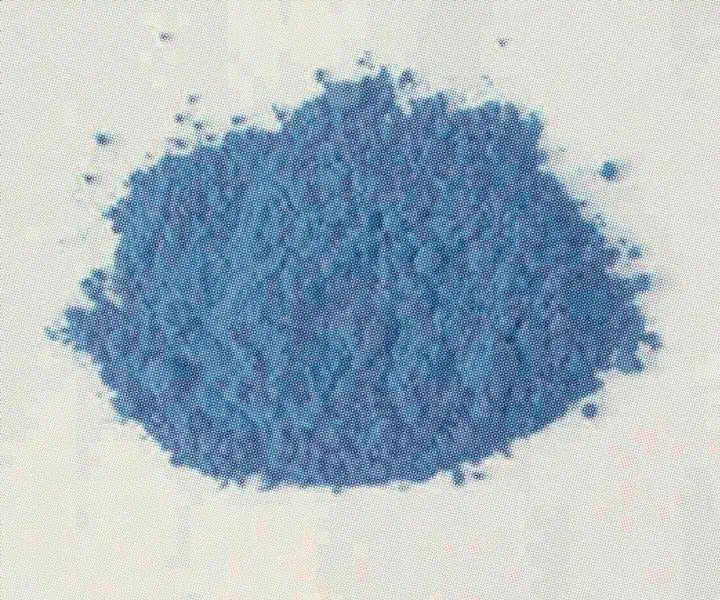
How ancient Egyptians used blue pigment first
Écouter
Egyptian blue
Ancient Egypt created blue pigment first. They mixed copper minerals with sand and heat. This blue was special and expensive. Only kings and gods wore blue. Other cultures learned from Egypt later. Blue became the colour of power and heaven!
TraduireExpliquerApprofondir
Lu
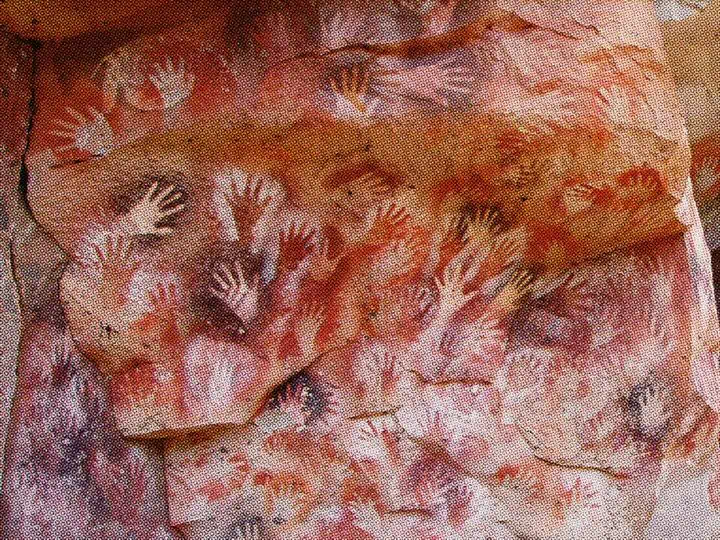
How ancient frescoes were painted onto wet plaster
Écouter
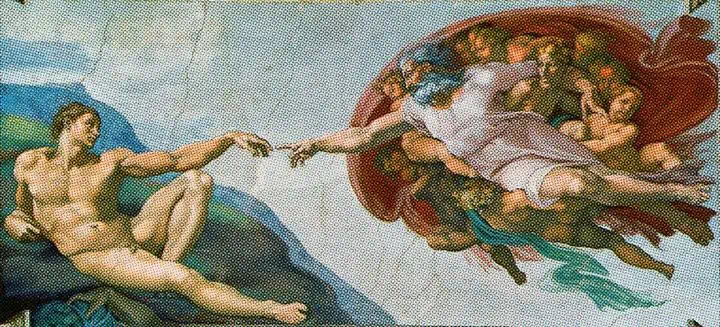
Fresco
Frescoes are paintings on wet plaster walls. Artists painted quickly before plaster dried. The paint soaked into the plaster permanently. Ancient Rome and Renaissance Italy loved frescoes. This technique made pictures last for centuries. Michelangelo painted famous frescoes in the Sistine Chapel!
TraduireExpliquerApprofondir
Lu
History
3 curiosités
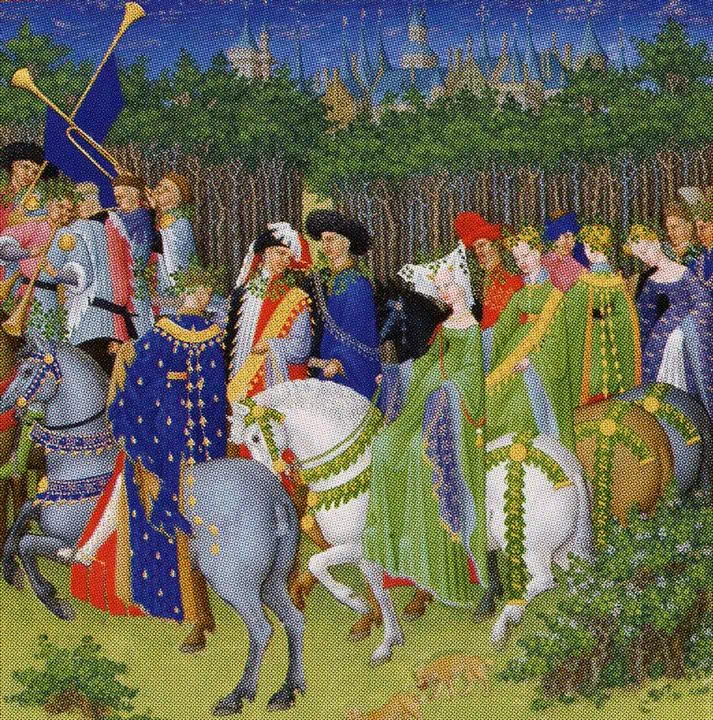
European women plucked their eyebrows, then glued new ones on
Écouter
Medieval fashion
In the late Middle Ages, a high forehead was beautiful. Women plucked their eyebrows away completely. Fake eyebrows came much later. In Britain, in the 1700s, women glued new ones on. They cut them from mouse fur! Many faces had scars from smallpox. So thin eyebrows were common. Today we think it looks strange!
TraduireExpliquerApprofondir
Lu
Ancient Romans used urine to whiten their teeth
Écouter
Ancient Rome
Romans wanted white teeth. Old urine turns into ammonia. Ammonia really does clean and bleach. Pots stood at street corners for passers-by. Cloth workers collected them to wash wool. Rome even taxed this strange trade! The emperor Vespasian said money never smells. Ammonia stayed in toothpaste until the 1900s.
TraduireExpliquerApprofondir
Lu
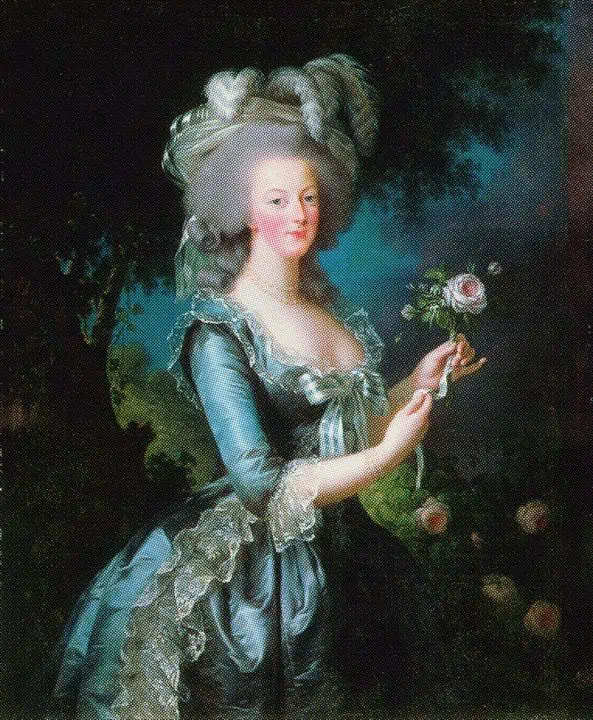
Marie Antoinette never actually said that famous cake line
Écouter
Marie Antoinette
Marie Antoinette is famous for one line. People say she said: 'Let them eat cake.' She never said it. The writer Rousseau told this story first. He wrote it around 1766. Marie Antoinette was ten years old then! She still lived in Vienna. People gave her the line much later.
TraduireExpliquerApprofondir
Lu
Space
3 curiosités
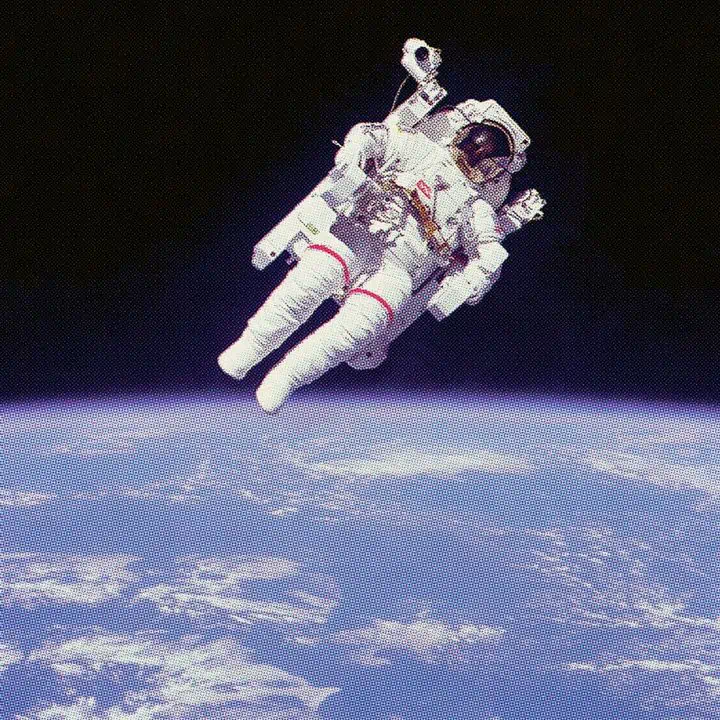
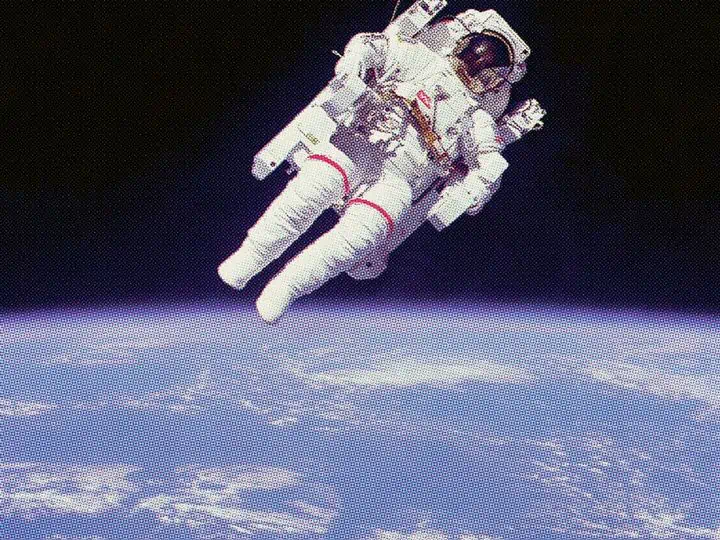
How astronauts' blood behaves differently in space
Écouter
Astronaut
In space, gravity does not pull blood down. Blood distributes differently in the body. Astronauts' faces swell slightly from fluid. Their legs become very thin. The heart pumps less hard. This happens quickly in space. When astronauts return home, their bodies adjust again!
TraduireExpliquerApprofondir
Lu
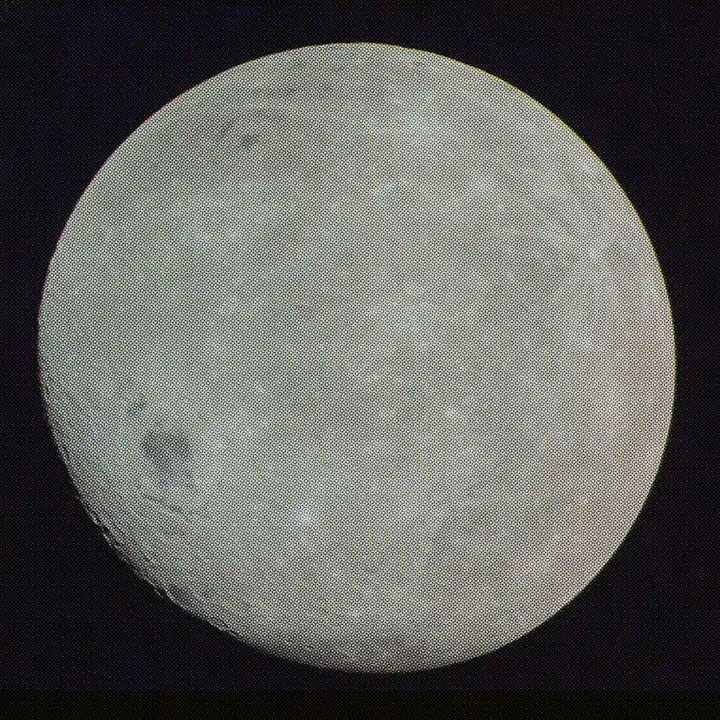
Why the far side of the moon looks different
Écouter
Far side of the moon
The Moon always shows the same side to Earth. For a long time nobody saw the far side. Then a Soviet probe flew around it. It took photos in October 1959. The far side was a surprise. It has almost no dark plains. Its crust is thicker there. So the lava never reached the surface.
TraduireExpliquerApprofondir
Lu
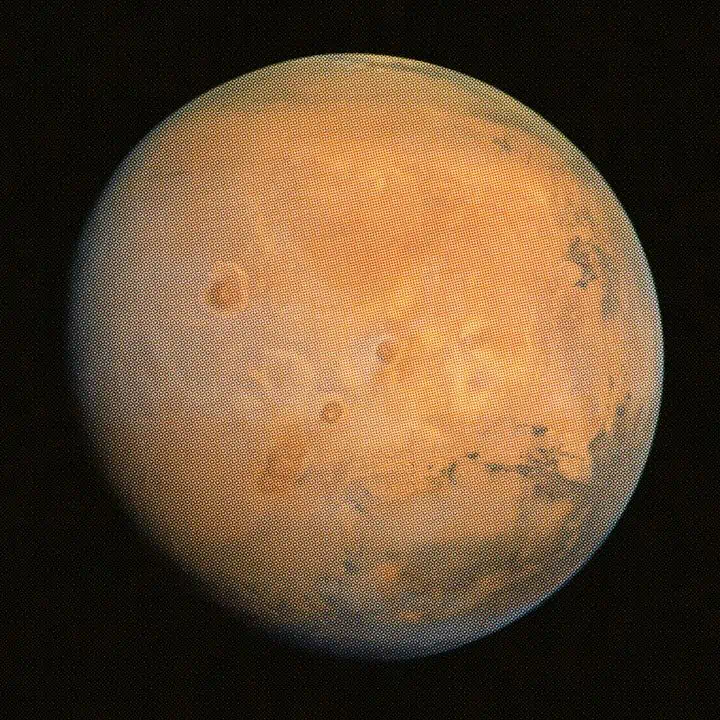
Why footprints on Mars do not last
Écouter
Mars
Footprints on the Moon last for millions of years. Nothing up there moves the dust. Mars is different! The air is thin, but it blows. Dust devils cross the plains all the time. Cameras in orbit watch the rover tracks. The tracks fade away in a few years. A boot print disappears the same way.
TraduireExpliquerApprofondir
Lu
Après la lecture
Quelques questions tirées de l’édition. Quelques minutes, sans pression.
Faire le défi de l’édition
Remonter le tempsla veille
Édition nº 25 · hierCurious minds love these 15 wild facts!ArchivesDéfile encore pour l’ouvrir
Daily Curiosity — nouvelle édition demain
InventionsBodyFoodMusicAnimalsArtHistorySpace
9:41
ÉditionKiosqueDéfi1Mots
Ton dictionnaire · Inventions
cartsNom
charrettes
Rangé dans tes motsmot nº 1
Traductions du jour1 / 15
Voir mes mots
La traduction
Why traffic lights were invented before cars
En anglais
The first traffic light arrived in 1868. London put it up outside Parliament. It burned gas and showed red and green. A police officer turned it by hand. It stopped horses and carts, not cars. The first car came eighteen years later! Sadly, the lantern exploded after a few weeks.
En français
Le premier feu de circulation est apparu en 1868. Londres l’a installé devant le Parlement. Il brûlait du gaz et montrait du rouge et du vert. Un policier le tournait à la main. Il arrêtait les chevaux et les charrettes, pas les voitures. La première voiture est arrivée dix-huit ans plus tard ! Malheureusement, la lanterne a explosé au bout de quelques semaines.
L’anglais expliqué
La leçon
Why traffic lights were invented before cars
Grammaire2 points
1
burned — le prétérit des verbes réguliers
Pour raconter le passé, on ajoute -ed au verbe : burn → burned, show → showed, turn → turned.
“It burned gas and showed red and green.”
2
eighteen years later — … ans plus tard
« Later » se place après la durée : dix-huit ans plus tard. Pour compter depuis aujourd’hui, on dit « eighteen years ago ».
“The first car came eighteen years later!”
Mots utiles3 mots
traffic lightfeu de circulation
by handà la main
a few weeksquelques semaines
carts
Daily CuriosityÉdition spéciale
100%lue
Ta toute première
Lue en entier.
18curiosités6minutesNº 26édition
Pas de série à tenir, rien à perdre. Juste un jour de plus où tu as lu en anglais.
Me prévenir demainUne seule notification. Jamais de relance.
Continuer
Nouvelle édition demain
0 / 18La une
01
La une.
Le titre du jour sur ses photos, sa durée, et le sommaire : un anneau par rubrique, qui se remplit quand tu lis.
03
Écouter, traduire, expliquer.
Chaque article se lit à voix haute. Dessous : sa traduction entière, ou sa grammaire expliquée en français.
05
Le Défi de l’édition.
Après la lecture, des questions tirées de ce que tu viens de lire. Sans chrono.
L’essai · sans compte
Touche un mot. N’importe lequel.
Un vrai article de l’édition nº 1. Choisis ton niveau, puis touche un mot souligné.
Aucune carte · Aucun prélèvement · Prix fondateur gardé à vie
Questions
Avant de commencer.
Quel niveau faut-il ?
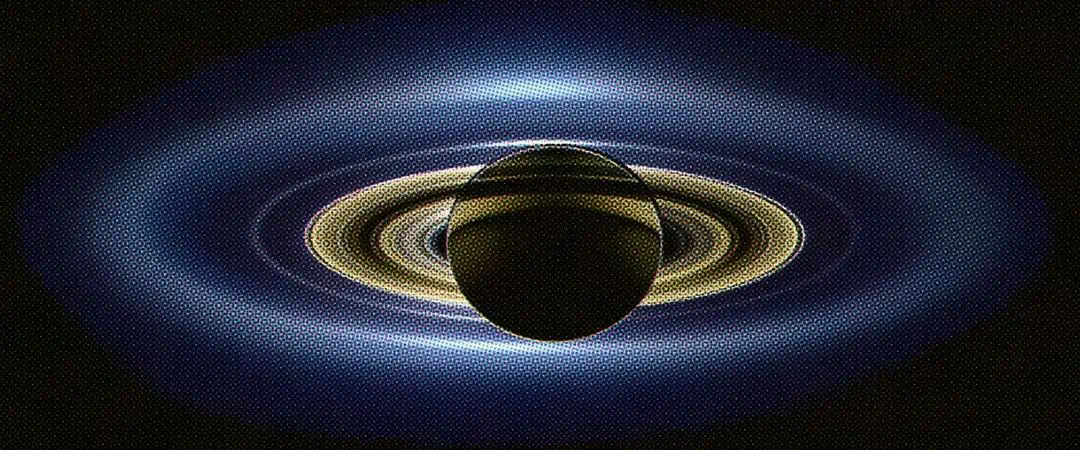
Si tu comprends « Saturn’s rings are young », tu peux commencer en A2. Quatre niveaux, du A2 au C1 : le même fait est réécrit pour chacun, et tu changes quand tu veux.
C’est vraiment gratuit ?
Oui. L’édition du jour en entier, 15 traductions au tap par jour, le Défi et l’audio du jour : gratuits, pour toujours, sans carte. Premium ajoute le tap illimité, les archives et les articles approfondis.
Combien de temps ça prend ?
Huit à dix minutes pour une édition. Ton avancée est gardée, article par article.
Sur quels appareils ?
Sur iPhone : l’app est dans l’App Store. Sur Android, elle arrive bientôt sur Google Play.
Qui écrit les articles ?
Ils sont rédigés avec l’aide de l’intelligence artificielle, à chaque niveau, puis relus, illustrés et corrigés. Une erreur ? Écris-nous : on corrige, et on répond à la main.
Space
Animals
Inventions
Ton édition nº 1 t’attend.
Télécharge l’app : ta première édition est prête, écrite à ton niveau.
Sur ton téléphone ?Scanne : l’app s’ouvre toute seule.
Gratuit · sur iPhone, bientôt sur Android
Construit en solo par Timothé, une édition à la fois.